
Calligraphy is more than just writing; it is a graceful art form that transforms simple letters into visually stunning expressions. In today’s fast-paced digital world, handwritten beauty holds a special charm. That is why many beginners are now exploring calligraphy as a relaxing hobby, a creative skill, or even a career opportunity. If you are someone who admires elegant lettering and wants to learn it from scratch, choosing the best Calligraphy Classes for Beginners can make all the difference.
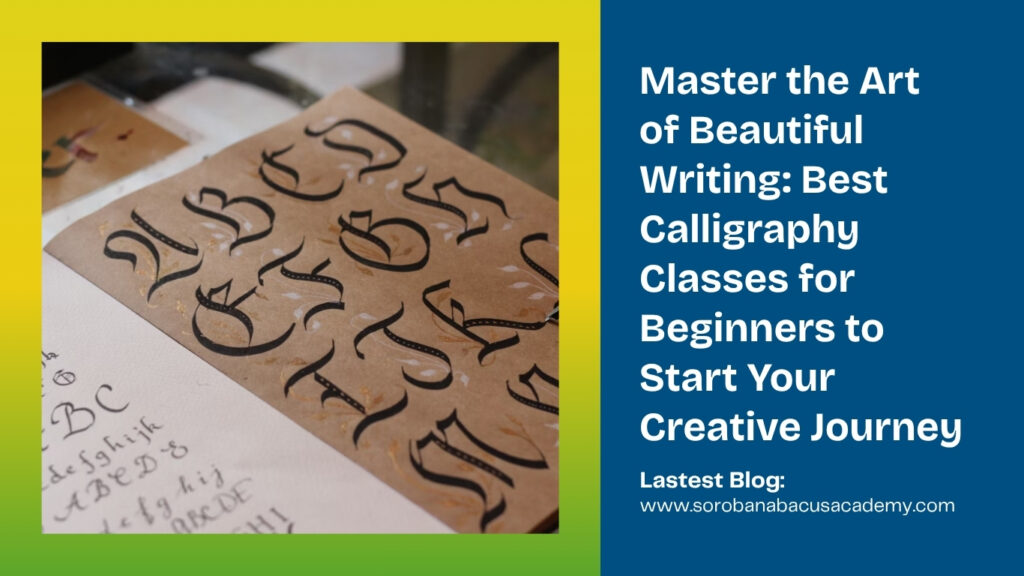
Learning calligraphy builds patience, improves focus, and enhances creativity. Moreover, it helps you develop a unique style that reflects your personality. Whether you want to design wedding invitations, create artwork, or simply enjoy writing beautifully, the right class can guide you step by step. In this detailed guide, you will discover everything about selecting the best calligraphy classes for beginners, what to expect, and how to start confidently.
1. Understanding Calligraphy and Its Growing Popularity
Calligraphy is the art of decorative handwriting or lettering done with a pen or brush. It has existed for centuries and evolved across cultures. From traditional scripts to modern styles, calligraphy continues to inspire artists worldwide.
In recent years, calligraphy has gained massive popularity. Many beginners now enroll in calligraphy classes to learn structured techniques instead of struggling alone. Social media platforms have also played a major role in promoting this art. As a result, more people now look for the best calligraphy classes for beginners to kickstart their journey.
Furthermore, calligraphy offers mental relaxation. It allows you to slow down and focus on each stroke. Because of this, it is often considered a therapeutic activity. Beginners find it both rewarding and enjoyable.
2. Why Beginners Should Join Calligraphy Classes
Although self-learning is possible, structured classes offer several advantages. First, they provide a clear learning path. Beginners often feel confused about where to start. However, professional classes eliminate this confusion.
Second, instructors guide you with proper techniques. This ensures that you avoid common mistakes early on. Additionally, you receive feedback that helps improve your skills faster.
Moreover, calligraphy classes for beginners include practice exercises. These exercises build muscle memory, which is essential for mastering strokes. Without guided practice, progress can feel slow.
Finally, classes create motivation. Learning in a group or structured setting keeps you consistent. This consistency leads to better results over time.
3. Types of Calligraphy Styles You Can Learn
Before choosing the best calligraphy classes for beginners, it is important to understand different styles. Each style has its own beauty and technique.
Modern Calligraphy
This style is flexible and creative. It does not follow strict rules. Beginners often prefer it because it allows experimentation.
Brush Calligraphy
This uses brush pens or brushes. It creates thick and thin strokes based on pressure. It looks dynamic and expressive.
Copperplate Calligraphy
This is a traditional and elegant style. It uses pointed nib pens. It requires precision and control.
Gothic Calligraphy
This style has bold and dramatic lettering. It is often seen in historical texts.
Faux Calligraphy
This is ideal for beginners with regular pens. It mimics calligraphy without special tools.
Choosing a class that teaches the style you like will keep you motivated throughout the learning process.
4. Features of the Best Calligraphy Classes for Beginners
Not all classes are equal. Therefore, you should look for certain features before enrolling.
A good class offers step-by-step guidance. It starts with basic strokes and gradually moves to advanced lettering. This approach builds a strong foundation.
Additionally, the best calligraphy classes for beginners include hands-on practice. Learning calligraphy requires repetition. Therefore, practical sessions are essential.
Another important feature is instructor support. A good teacher provides feedback and corrects mistakes. This helps beginners improve faster.
Moreover, quality classes provide proper materials or guidance on tools. Beginners often feel confused about which pens or papers to use. A good class solves this problem.
Finally, flexibility matters. Many classes offer both online and offline options. This allows you to learn at your own pace.
5. Online vs Offline Calligraphy Classes
When searching for the best calligraphy classes for beginners, you will find both online and offline options. Each has its own advantages.
Online Classes
These classes offer flexibility. You can learn anytime and anywhere. They are ideal for busy individuals. Additionally, online classes often provide recorded sessions for revision.
Offline Classes
These provide direct interaction with instructors. You receive immediate feedback. This helps correct mistakes quickly.
If you prefer convenience, online classes work well. However, if you value personal guidance, offline classes may be better. Many beginners choose a combination of both for the best results.
6. Essential Tools You Need as a Beginner
Before joining calligraphy classes, you should know the basic tools required.
A good pen is essential. Beginners often start with brush pens or dip pens. Brush pens are easier to control, while dip pens offer precision.
Paper quality also matters. Smooth paper prevents ink bleeding and helps create clean strokes.
Ink plays a crucial role as well. High-quality ink ensures consistent flow and better results.
Additionally, practice sheets are very helpful. They guide you in forming letters correctly.
The best calligraphy classes for beginners usually recommend or provide these tools. This ensures that you start with the right materials.
7. Step-by-Step Learning Approach in Calligraphy Classes
A structured approach makes learning easier. Most beginner classes follow a clear progression.
First, you learn basic strokes. These strokes form the foundation of all letters.
Next, you practice lowercase letters. This helps you understand spacing and consistency.
After that, you move to uppercase letters. These require more control and creativity.
Then, you learn word formation. This stage focuses on connecting letters smoothly.
Finally, you practice compositions and designs. This includes creating quotes, cards, and artwork.
This step-by-step approach ensures steady progress and builds confidence.
8. Benefits of Learning Calligraphy
Learning calligraphy offers multiple benefits beyond beautiful writing.
It improves concentration. You focus on each stroke, which enhances mindfulness.
It also boosts creativity. You experiment with styles, colors, and designs.
Additionally, calligraphy can become a source of income. Many artists create custom designs, invitations, and artwork.
Moreover, it enhances fine motor skills. This improves overall handwriting.
The best calligraphy classes for beginners help you unlock these benefits effectively.
9. Common Challenges Beginners Face
Every beginner faces challenges while learning calligraphy. However, understanding them helps you overcome them easily.
One common challenge is inconsistent strokes. This happens due to uneven pressure. Regular practice solves this issue.
Another challenge is spacing. Beginners often struggle to maintain uniform spacing between letters.
Additionally, many beginners feel impatient. Calligraphy requires time and patience.
Choosing the best calligraphy classes for beginners helps you tackle these challenges with proper guidance and practice.
10. Tips to Choose the Right Calligraphy Class
Selecting the right class is crucial for your learning journey.
First, check the course curriculum. It should cover basics and advanced techniques.
Second, read reviews or testimonials. These give insights into the quality of the class.
Third, consider the instructor’s experience. A skilled teacher can make learning easier.
Fourth, check if the class includes practice materials. This adds value to the course.
Finally, compare pricing. Choose a class that fits your budget without compromising quality.
11. Importance of Practice in Calligraphy
Practice is the key to mastering calligraphy. Even the best classes cannot replace consistent practice.
Daily practice helps build muscle memory. This improves stroke consistency.
Additionally, practice increases confidence. You become more comfortable with different styles.
The best calligraphy classes for beginners provide practice worksheets. These worksheets guide your learning effectively.
Remember, progress may feel slow at first. However, regular practice leads to noticeable improvement over time.
12. How Long Does It Take to Learn Calligraphy
The time required to learn calligraphy depends on your dedication and practice.
Beginners can learn basic strokes within a few weeks. However, mastering calligraphy takes months or even years.
Consistency plays a major role. Practicing for 20–30 minutes daily can bring significant improvement.
The best calligraphy classes for beginners provide structured timelines. These timelines help you stay on track and measure progress.
13. Creative Applications of Calligraphy
Calligraphy offers endless creative possibilities.
You can design greeting cards, wedding invitations, and certificates. These personalized creations have a unique appeal.
Additionally, calligraphy is used in branding and logo design. Many businesses look for creative lettering.
You can also create wall art and quotes. These artworks add beauty to living spaces.
The best calligraphy classes for beginners often include creative projects. These projects help you apply your skills practically.
14. Turning Calligraphy into a Career
Calligraphy is not just a hobby; it can become a profession.
Many calligraphers work as freelancers. They create custom designs for clients.
Others teach calligraphy classes. This allows them to share their knowledge.
Additionally, some artists sell their artwork online. Platforms like social media help them reach a wider audience.
The best calligraphy classes for beginners often include guidance on monetizing skills. This helps learners explore career opportunities.
Conclusion
Calligraphy is a beautiful blend of art, discipline, and creativity. For beginners, starting with the best Calligraphy Classes for Beginners ensures a strong foundation and faster progress. These classes provide structured learning, expert guidance, and practical experience that self-learning often lacks.
As you begin your journey, remember that patience and practice are essential. Every stroke you create brings you closer to mastering this art. Whether you pursue calligraphy as a hobby or a career, the skills you develop will stay with you for life.
So, take the first step today. Choose the right class, gather your tools, and start creating beautiful letters that reflect your creativity and passion.